Build separation into the site
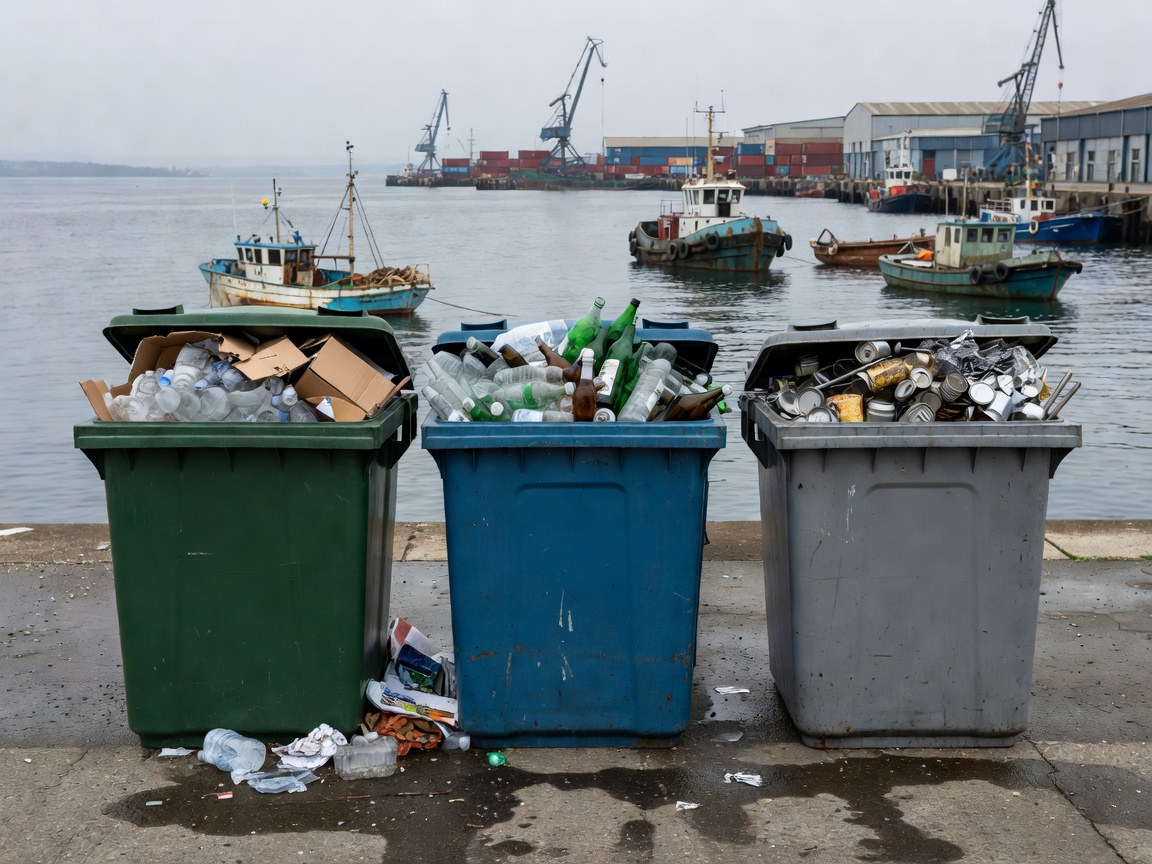
Recycling begins with clear physical separation. Containers should have a defined purpose, consistent labels and a position that supports the movement of users and staff. A sign alone cannot compensate for confusing placement or too many categories.
Start by listing the materials actually generated at the marina. Compare that list with available authorized routes and local requirements. Keep categories understandable. A system that is technically detailed but difficult to use may create more mixed material and more manual correction.
Identification and communication
Use the same names, colors and symbols at every station. Place instructions where the decision is made, not only in an office or handbook. Include short examples of accepted and excluded materials where useful. Avoid claims about recyclability unless the receiving route has been confirmed.
Staff communication matters. Team members should know how to report a full container, visible contamination, damaged signage or an unrecognized material. Visitors and contractors need a simple route to ask for help.
Storage and collection coordination
Separated materials still require suitable storage before collection. Consider weather exposure, access, fire-safety requirements, vehicle movement and the possibility of mixing during internal handling. Storage design must follow applicable local rules and the requirements of authorized handlers.
Collection coordination should match the number of categories, available space and service arrangement. A recycling station is not complete until its back-of-house movement has been considered. Record when points are checked, who is responsible and what corrective action is taken.
Comparing system types
Central stations are easier to supervise and label, but users may need to walk farther. Distributed points are convenient, but require more checking and consistent signage. A mixed model can place common categories near berths and less frequent categories in a staffed service area.
Advantages and limitations
Good separation improves material visibility and supports cleaner collection routes. It does not guarantee a particular recycling outcome. Weather, user behavior, storage limits and receiving requirements remain variables. Review the system using observations rather than assumed rates.
Short checklist
- List actual site waste streams.
- Confirm authorized routes before labeling categories.
- Use consistent station names and symbols.
- Keep instructions short and visible.
- Record contamination and corrective actions.